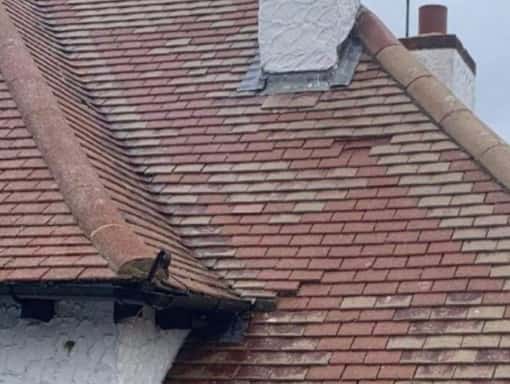
When a roofing problem becomes noticeable, it is natural to focus on the most obvious sign. A damp ceiling may suggest that the roof directly above is leaking, while a displaced tile may appear to explain recent water ingress. In reality, roofing defects are not always as straightforward as they first appear.
Water can travel beneath roofing materials before becoming visible inside a property, and several different defects can produce very similar symptoms. This is why identifying the actual cause before carrying out repairs is so important.
For property owners in Canterbury, Kent, a proper roof assessment can help distinguish between the visible symptom and the underlying problem, allowing repairs to be directed where they are genuinely needed.
Why Is Accurate Roof Assessment Important Before Repairs Begin?
A roof is made up of several components working together to keep the property protected from the weather. Tiles or slates, flashing, valleys, ridges, verges, underlay and roof junctions can all influence how effectively water is directed away.
If one component deteriorates, the resulting signs may appear somewhere completely different.
A proper assessment considers the wider roofing system rather than concentrating solely on the first visible defect. This provides a clearer basis for deciding what needs attention and helps avoid carrying out work that treats only the symptom.
The Location of a Damp Patch Can Be Misleading
An internal damp patch does not necessarily identify the point where rainwater is entering the roof.
Once water passes through an external weakness, it can move along structural components or beneath roofing materials before finding a route into the room below. The visible staining may therefore be some distance from the original defect.
Concentrating exclusively on the roof directly above the damp area could result in the wrong section being repaired. A systematic assessment looks for likely entry points and considers how moisture could have travelled through the roof.
A Missing or Damaged Tile May Not Explain Everything
Visible tile damage is an obvious concern, but it should not automatically be assumed to be responsible for every roofing problem.
For example, a damaged tile may exist alongside deteriorated flashing or a vulnerable roof junction. Repairing the tile could be worthwhile, yet the original leak may continue if another defect is actually allowing water to enter.
Professional assessment helps determine whether visible damage is the primary cause, a contributing factor or an unrelated maintenance issue.
Roof Junctions Often Require Careful Investigation
Areas where different roofing elements meet deserve particular attention during an assessment.
Chimney junctions, valleys, changes in roof angle and other transitions can be vulnerable because they must manage significant amounts of rainwater while maintaining a weather-resistant connection between different materials.
Problems in these locations are not always immediately obvious from ground level. A small weakness can allow moisture to penetrate even when the surrounding roof covering appears relatively sound.
Checking these details helps ensure that repairs are based on the complete condition of the affected area.
Previous Repairs Can Complicate Diagnosis
A roof that has received repairs in the past can sometimes require a more detailed investigation when a new problem appears.
The previous repair itself may still be performing correctly, while deterioration has developed nearby. Alternatively, the surrounding materials may have changed over time, creating a new route for water ingress.
Assuming that an earlier repair has failed simply because dampness has returned can therefore lead attention towards the wrong area. Reviewing both the repair and the surrounding roof provides a more reliable understanding of what has changed.
Several Small Defects Can Produce One Larger Symptom
Not every roof problem has a single cause.
Several relatively minor weaknesses may combine to create noticeable water ingress or general deterioration. If only one defect is identified and repaired, the overall problem may improve temporarily without being completely resolved.
A wider assessment can identify whether multiple components require attention. This is particularly important where there are several signs of weathering or where problems appear under particular wind and rain conditions.
Recurring Leaks Are a Reason to Look Beyond the Obvious
When a leak returns after previous attention, repeatedly treating the same visible area may not be the most effective approach.
Recurring water ingress can indicate that the original cause was difficult to identify, that another nearby weakness exists or that several roofing elements are contributing to the problem.
At this stage, examining the broader roof area becomes particularly valuable. Understanding the pattern of previous problems can help identify connections that may not have been obvious when the first leak occurred.
Weather Conditions Can Help Explain a Roofing Problem
Information about when a leak occurs can provide useful clues.
Some defects may allow water to enter only during prolonged rainfall, while others become noticeable when rain is driven in a particular direction. A problem that occurs during certain conditions may point towards vulnerable junctions, flashing or other specific roof details.
A good assessment therefore considers more than what can be seen at one moment. Understanding when and how the problem develops can help narrow down its likely source.
Why the Whole Roof Condition Matters
Even when a problem appears localised, the general condition of the roof provides important context.
A single damaged component within an otherwise sound roof may require only focused attention. If similar deterioration is visible across several sections, however, the local problem could form part of a wider pattern.
Assessing the surrounding roof helps determine whether a targeted repair is appropriate or whether other connected defects should be considered at the same time.
The purpose is not to recommend unnecessary work. It is to understand enough about the roof to make an informed decision.
Good Diagnosis Helps Make Repairs More Effective
The quality of a roof repair depends heavily on the accuracy of the diagnosis that comes before it.
Repairing what appears damaged without understanding why the problem developed can leave the original cause unresolved. In contrast, identifying the route of water ingress and the condition of surrounding materials allows the repair to address the actual weakness.
This is why a careful assessment is an important part of professional roofing work. The aim should be to solve the roofing problem rather than simply cover up its most visible symptom.
What Should a Professional Roof Assessment Achieve?
A useful roof assessment should provide a clear understanding of what is happening and why.
This involves examining relevant roofing materials, vulnerable details and surrounding areas while considering the symptoms reported inside the property. Where appropriate, previous repairs and the general condition of the roof should also form part of the assessment.
By bringing these observations together, it becomes easier to determine which defect is responsible and what type of repair is likely to restore reliable performance.
The Value of Professional Roof Assessment in Canterbury
Roofing problems can sometimes appear simple while having causes that are difficult to identify without a proper inspection. Acting on assumptions can result in attention being directed towards an area that is not responsible for the problem.
At Canterbury Roofers, we take a considered approach to roofing issues in Canterbury, Kent. Our focus is on understanding the cause of the problem, assessing the relevant roof areas and identifying an appropriate repair rather than simply responding to the most obvious visible symptom.
This approach can be particularly valuable when leaks are recurring, the source of water ingress is unclear or several roofing components show signs of deterioration.
Conclusion
A proper roof assessment can help prevent the wrong problem from being treated by separating visible symptoms from their underlying cause. Damp patches, damaged tiles and previous repair areas can provide useful clues, but they do not always reveal exactly where a roofing defect has developed.
Careful investigation considers how the roof works as a complete system, how water may be travelling and whether several weaknesses are contributing to the same problem. This provides a stronger foundation for carrying out an effective, appropriately targeted repair.
If you have a roofing problem at your property in Canterbury, Kent, Canterbury Roofers can assess the affected areas and determine what is causing the issue. Contact our team to arrange a professional roof assessment and discuss the appropriate next steps.
Call us on: 01227 538093
Click here to find out more about Canterbury Roofers
Click here to complete our contact form and see how we can help with your roofer needs.